Differences Between Padel, Pickleball, and Squash
Learn about the key differences between Padel, Pickleball, and Squash. Understand the unique characteristics, rules, and equipment used in each sport.
By PadelMix · August 29, 2024
In the world of racquet sports, padel, pickleball, and squash stand out as unique and engaging disciplines. While they share some common elements, each sport offers distinct characteristics that set it apart. This in-depth comparison explores the nuances of these three sports, delving into their court dimensions, equipment, rules, gameplay, and growing popularity.
Court Dimensions and Layout
Padel
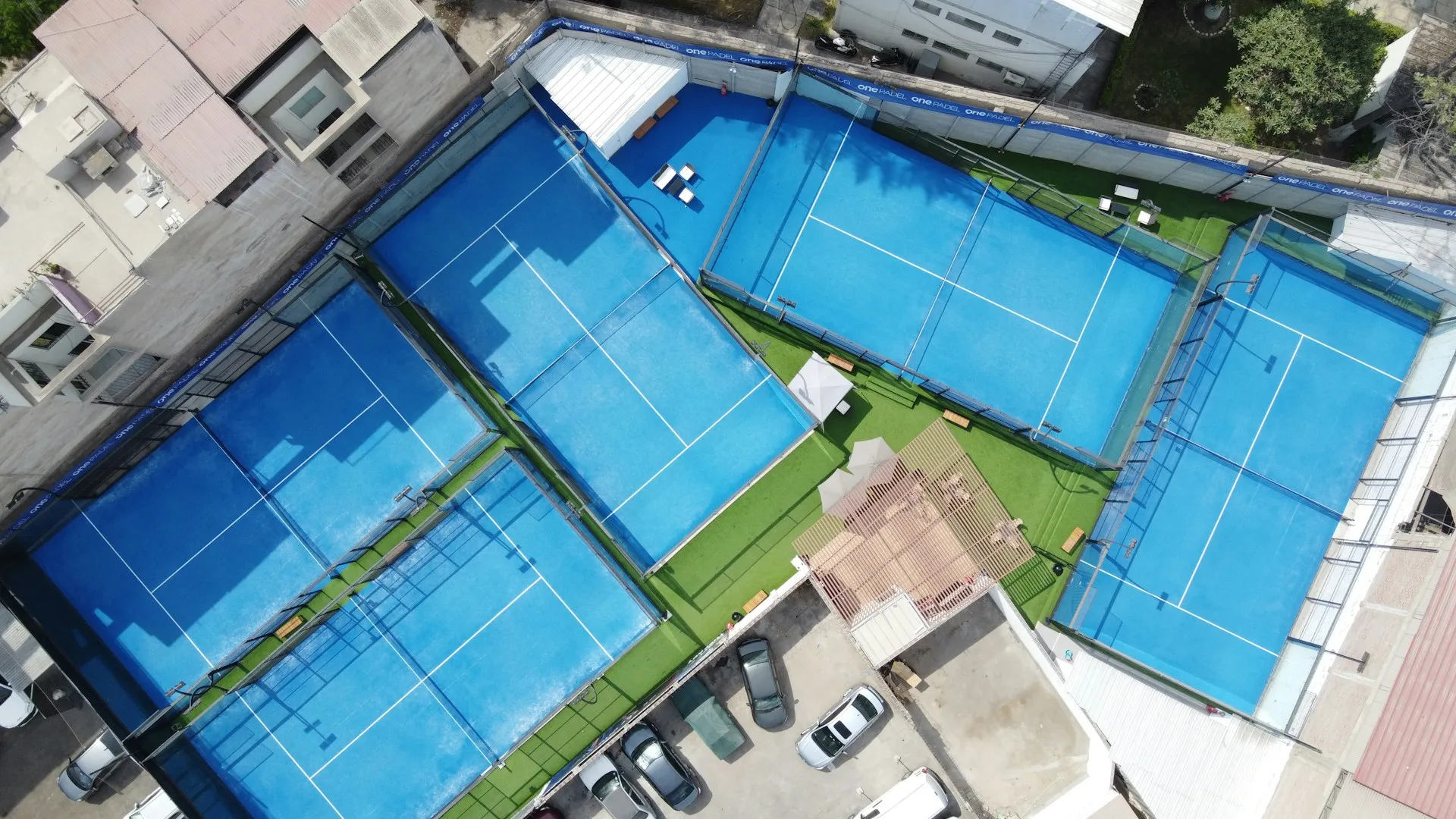
- Size: 20m x 10m (65.6ft x 32.8ft)
- Enclosure: Fully enclosed by walls (glass and mesh)
- Surface: Typically artificial turf or synthetic grass
Padel courts are unique in their design, featuring a combination of glass walls and metal fencing. The enclosed nature of the court allows for dynamic play off the walls, adding an extra dimension to the game.
Pickleball
- Size: 44ft x 20ft (13.41m x 6.10m)
- Net Height: 36 inches (91.44 cm) at the sidelines, 34 inches (86.36 cm) at the center
- Non-Volley Zone: 7ft (2.13m) area on each side of the net, known as “the kitchen”
Pickleball courts are notably smaller than tennis courts, making the game more accessible and less physically demanding. The unique “kitchen” area adds strategic depth to gameplay.
Squash
- Size: 9.75m x 6.4m (32ft x 21ft)
- Enclosure: Fully enclosed by four walls
- Front Wall Line: 4.57m (15ft) above the floor
Squash courts are completely enclosed, allowing play off all four walls. The compact size and enclosed nature of the court contribute to the sport’s fast-paced and intense gameplay.
Equipment
Padel
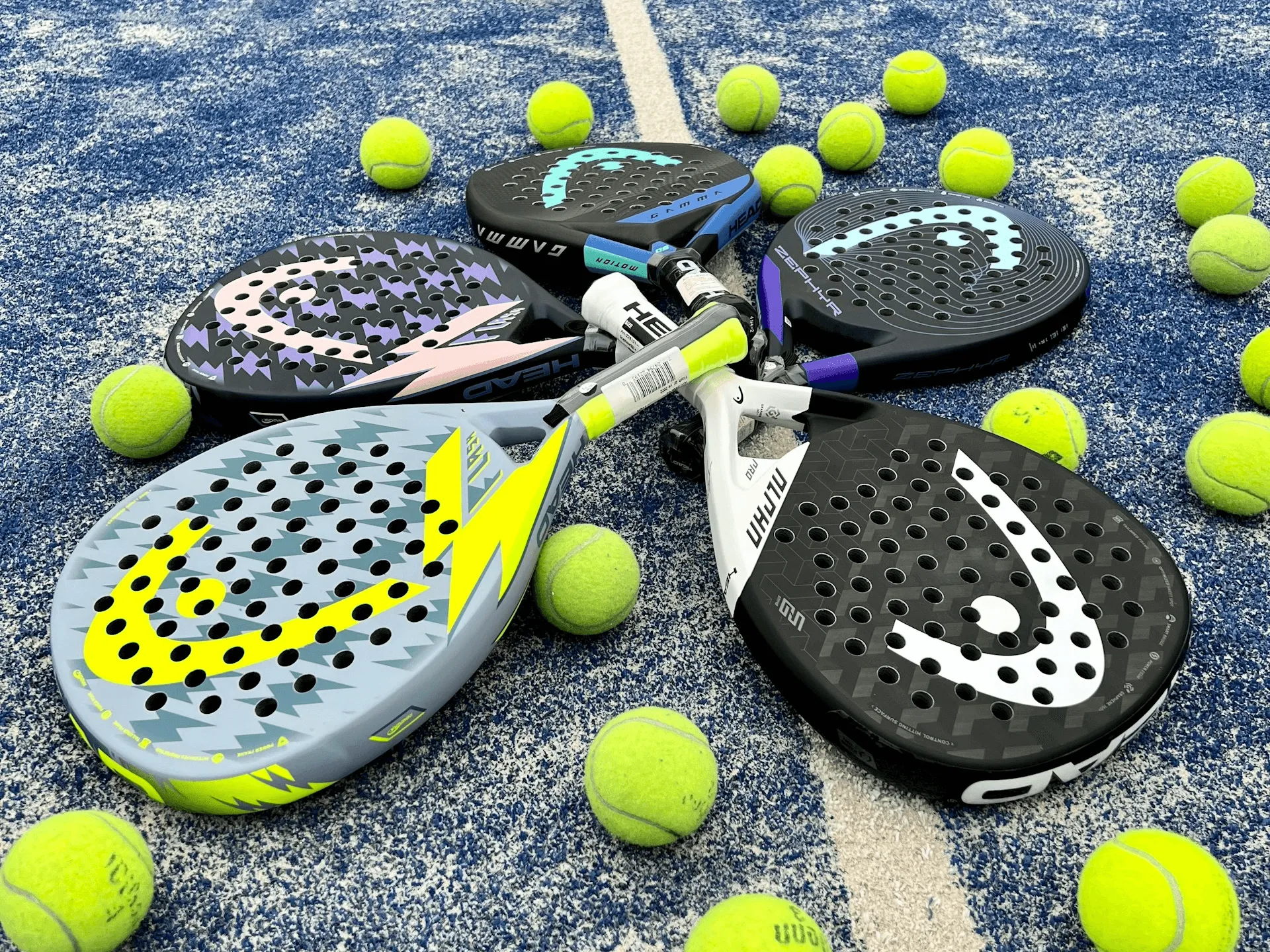
- Racquet: Solid, perforated racquet without strings
- Length: Max 45.5 cm
- Width: Max 26 cm
- Weight: 340-370 grams
- Ball: Similar to tennis balls but with less pressure (25% less)
The solid padel racquet allows for powerful shots and precise control, while the lower-pressure balls facilitate longer rallies and strategic play.
Pickleball
- Paddle: Solid, made of wood, composite, or graphite
- Length: Max 17 inches (43.18 cm)
- Width: Max 8.5 inches (21.59 cm)
- Weight: 6-14 ounces (170-397 grams)
- Ball: Plastic with holes, similar to a wiffle ball
- Diameter: 2.87-2.97 inches (7.29-7.54 cm)
- Weight: 0.78-0.935 ounces (22-26.5 grams)
The lightweight paddle and perforated ball in pickleball contribute to its accessibility and the sport’s emphasis on strategy over power.
Squash
- Racquet: Strung racquet, typically made of composite materials
- Length: Max 27 inches (68.58 cm)
- Weight: 110-175 grams
- Ball: Small, hollow rubber ball
- Diameter: 4 cm (1.57 inches)
- Weight: 23-25 grams
Squash racquets are longer and lighter than those used in padel or pickleball, allowing for quick maneuverability in the confined court space.
Rules and Scoring
Padel
- Scoring system similar to tennis (games, sets, matches)
- Serves must be underhand and diagonal
- Ball can be played off walls after bouncing on the ground
- Two serves allowed, second serve if first is a fault
In addition to more competitive tournament variants, Padel is often played in Americano or Mexicano formats.
Pickleball
- Games played to 11 points (win by 2)
- Only serving team can score points
- Serves must be underhand and diagonal
- “Double bounce rule”: Ball must bounce once on each side before volleys are allowed
- No-volley zone (“kitchen”) restricts volleys near the net
Squash
- Typically best of 5 games, each game to 11 points (win by 2)
- Points can be scored by either player/team (point-a-rally scoring)
- Serves must hit the front wall above the service line and land in the opposite back quarter of the court
- Players alternate hitting the ball against the front wall
Gameplay and Techniques
Padel
Padel combines elements of tennis and squash, featuring:
- Emphasis on volleys and overhead smashes
- Strategic use of walls for defensive and offensive play
- Importance of positioning and court coverage
- Blend of power and finesse shots
Pickleball
Pickleball is known for its fast-paced, strategic gameplay:
- Quick exchanges at the net
- Importance of “dinking” (soft shots) in the kitchen area
- Emphasis on placement over power
- Strategic use of the “third shot drop”
Squash
Squash is renowned for its intensity and physical demands:
- High-speed rallies with quick direction changes
- Use of all four walls in gameplay
- Importance of court positioning and anticipation
- Variety of shots including drives, volleys, and drops
Popularity and Growth
Padel
- Extremely popular in Spain and Latin America
- Rapidly growing in Europe and the Middle East
- Increasing interest in the United States and Asia
- Estimated 18 million players worldwide as of 2023
Pickleball
- Fastest-growing sport in the United States
- Expanding globally, particularly in Canada and Europe
- Over 4.8 million players in the US alone (2022 data)
- Attracting players of all ages, especially seniors
Squash
- Well-established international presence
- Popular in countries like Egypt, England, and Malaysia
- Approximately 20 million players globally
- Ongoing efforts for Olympic inclusion
Health Benefits and Accessibility
All three sports offer significant health benefits, including:
- Improved cardiovascular fitness
- Enhanced hand-eye coordination
- Increased agility and reflexes
- Social interaction and mental well-being
However, they differ in terms of accessibility:
- Padel requires specific court facilities, which are growing but still limited in many areas
- Pickleball can be played on modified tennis courts or dedicated facilities, making it highly accessible
- Squash courts are widely available in many urban areas and fitness centers
Professional Circuits and Tournaments
Padel
- World Padel Tour (WPT) - premier professional circuit
- FIP (International Padel Federation) tournaments
- Growing number of international competitions
Pickleball
- Professional Pickleball Association (PPA) Tour
- Association of Pickleball Professionals (APP) Tour
- Major tournaments like the US Open Pickleball Championships
Squash
- Professional Squash Association (PSA) World Tour
- Major tournaments including the British Open and World Championships
- Prestigious collegiate leagues, especially in the US and UK
Conclusion
Padel, pickleball, and squash each offer unique experiences within the realm of racquet sports. From the enclosed, wall-play dynamics of padel and squash to the strategic, accessible nature of pickleball, these sports cater to a wide range of preferences and skill levels. As they continue to grow in popularity, they provide excellent options for individuals seeking engaging, social, and physically rewarding athletic pursuits.
Whether you’re drawn to the tactical wall play of padel, the fast-paced exchanges of pickleball, or the intense rallies of squash, each sport offers a pathway to improved fitness, skill development, and enjoyable competition. As these sports evolve, they continue to shape the landscape of racquet sports, offering exciting opportunities for players and fans alike.
 Google Play